

Prove Your AI Coaching Investment Is Actually Working
Most teams investing in AI coaching never captured a baseline, so they can't prove it worked. Here's the Benchmark → Monitor → Re-Benchmark loop that closes that gap.

2026 research shows heavy AI reliance can quietly erode debugging and comprehension skills. Here's how to see the gap before it's a problem.

Heavy reliance on AI coding assistants can measurably erode debugging and code comprehension skills over time, according to 2026 research on AI-assisted development.
A growing body of research in 2026 points to the same uncomfortable finding: heavy reliance on AI coding assistants can quietly erode the skills that make an engineer effective when the AI gets it wrong. The harder question most engineers and teams haven't answered yet is how to actually see it happening before it becomes a problem.
Studies this year on AI-assisted coding have found a consistent pattern: engineers who lean on AI to fix errors report feeling faster, while independent comprehension checks often show the opposite. The mechanism researchers point to is straightforward. Debugging intuition gets built by encountering a bug, sitting with it, and working through the diagnosis. When an agent fixes the error before that process happens, the fix lands but the learning doesn't. Do that consistently for long enough and the underlying skill has less to stand on the next time the AI gets something wrong.
This isn't an argument against using AI tools. Refusing to use them isn't a realistic option for most engineers, and the productivity case for AI-assisted work is real. It's an argument for having some way to see whether your own skill, specifically your ability to direct, verify, and recover, is holding steady, improving, or quietly sliding, independent of how fast your output feels.
One of the more unsettling findings in this research is that engineers who've lost ground often don't notice. The AI compensates well enough, most of the time, that the gap only shows up when something breaks in a way the assistant can't smooth over. That's a bad time to discover it. Feeling productive and being skilled are correlated but not the same thing, and self-assessment is exactly the tool that fails first when the skill it's supposed to judge is the one eroding.
The useful framing here isn't "AI ruins your skills," it's that AI-direction skill behaves like any other trained capability: it responds to deliberate practice and degrades with disuse, the same way a pilot's manual flying skill needs regular simulator time even after autopilot handles most of a flight. Aviation solved this with recurring, measured simulator sessions rather than hoping pilots would just notice if they were getting rusty. Software engineering doesn't yet have an equivalent habit, but the underlying logic is the same: if a skill can decay silently, it needs a scheduled, objective check, not a vibe check.
HyperHat runs a live, standardized 30-minute coding task alongside a real AI agent, scored across six dimensions: Task Decomposition, Prompt Quality, Verification, Iteration Efficiency, Recovery & Debugging, and Output Quality. Because it's the same standardized task every time, an engineer's score over multiple sessions becomes a track record, not just a single result, making it possible to see whether Verification or Recovery & Debugging specifically is trending down even while output still looks fine on the surface.
This is also why voluntary retesting matters more than a one-time score. An engineer who comes back on their own to retest, without being told to, is treating the score as something worth maintaining, which is exactly the behavior the skill atrophy research suggests engineers need and mostly aren't doing yet.
Does using AI coding tools actually make engineers worse at coding?
Research in 2026 has found that heavy reliance on AI for tasks like debugging can reduce comprehension and independent problem-solving ability over time, particularly when the AI resolves errors before the engineer works through the diagnosis themselves. This is described as skill atrophy or deskilling, and it's an active area of study, not a settled, universal conclusion.
If I feel more productive with AI, does that mean my skills are fine?
Not necessarily. Several studies have found a gap between how fast engineers feel while using AI assistance and independently measured comprehension or performance. Feeling productive isn't the same as being skilled, and it's a poor substitute for an objective check.
Can AI-direction skill be practiced and improved, or is the decline permanent?
It appears to be recoverable with deliberate practice, similar to other trained skills that degrade with disuse. The research suggests that recovering a skill that's atrophied takes sustained, intentional practice, not just occasional use.
How does HyperHat help track this over time?
By running the same standardized assessment repeatedly, an engineer builds a score history across all six scoring dimensions rather than a single snapshot, making a downward trend in a specific behavior, like verification or recovery, visible before it becomes a bigger problem.
Is this the same thing as testing whether I can code without AI at all?
No. HyperHat measures how well you direct, verify, and recover while working with a real AI agent, since that's the actual job now for most engineers. It's not a test of unassisted coding ability in isolation.
Blog
Most teams investing in AI coaching never captured a baseline, so they can't prove it worked. Here's the Benchmark → Monitor → Re-Benchmark loop that closes that gap.
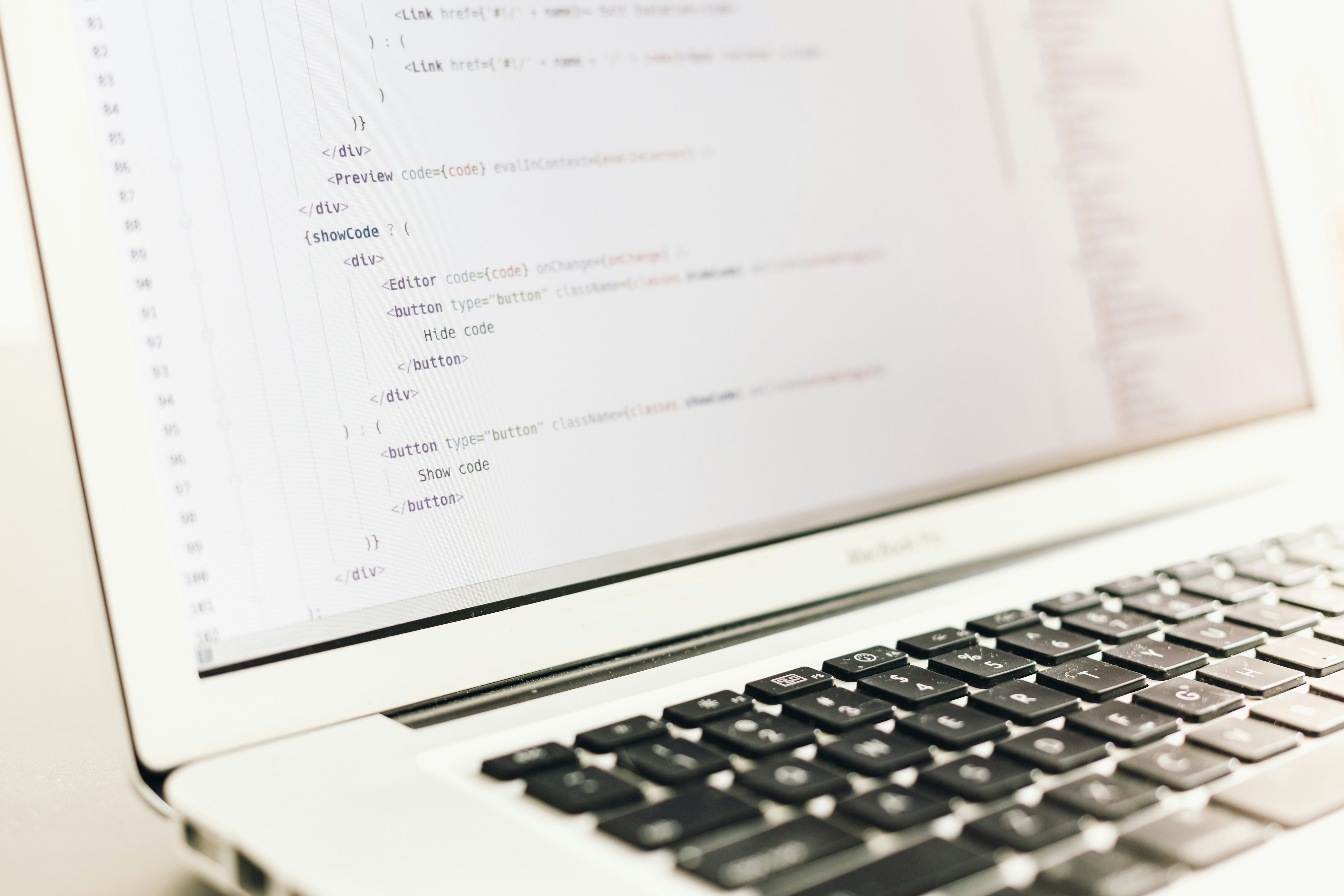
Prompt engineering is dead" is the headline everywhere in 2026. Here's what actually changed, and how it maps to how you direct AI agents.

2026 research shows AI-generated code carries more defects and duplication than human-written code. Here's why review hasn't kept pace, and what actually prevents it.
Account
Welcome back. Continue with Google or your email.
Welcome back
Create a password
You'll use this to log in next time.

We sent a sign-in link to
Prefer a code?
Enter the 6-digit code sent to